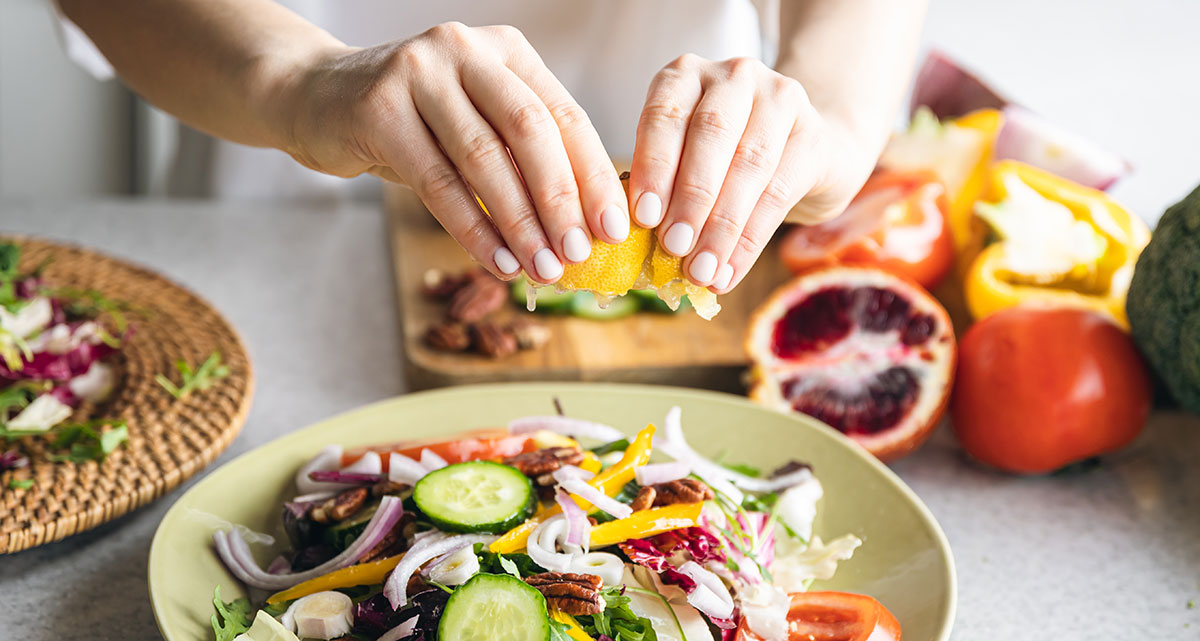
Maintaining a healthy weight does not have to mean eating bland meals or spending hours in the kitchen. Over the years, I have learned that eating for weight management can be both simple and delicious. The key is focusing on nutrient-dense ingredients, balanced meals, and recipes that are easy to prepare. Today, I want to share some tips and ideas for meals that support weight management without sacrificing flavor.
Start With Whole, Nutrient-Dense Ingredients
The foundation of any healthy recipe is whole, nutrient-dense ingredients. Fresh vegetables, fruits, lean proteins, whole grains, and healthy fats provide the nutrients your body needs while keeping calories in check. I always recommend filling half your plate with vegetables, one quarter with lean protein, and one quarter with whole grains or starchy vegetables. This balance helps control portion sizes, keeps you satisfied, and supports weight management.
Breakfast Ideas
Breakfast sets the tone for your day, and choosing the right foods can help manage hunger and energy levels. One of my favorite easy recipes is overnight oats. Mix rolled oats with Greek yogurt, a splash of milk, and your favorite fruits like berries or sliced banana. Add a sprinkle of chia seeds or nuts for healthy fats and extra protein. Overnight oats are convenient, tasty, and keep you full until your next meal.
Another simple option is an egg and vegetable scramble. Use two eggs, spinach, tomatoes, and bell peppers. You can cook everything in a single pan for a quick, protein-rich breakfast. Adding vegetables boosts fiber and volume, helping you feel satisfied without adding excess calories.
Lunch Ideas
For lunch, I like meals that are easy to prepare ahead of time and can be taken on the go. A quinoa salad with grilled chicken, cucumber, cherry tomatoes, and a light olive oil and lemon dressing is one of my favorites. Quinoa is a high-protein grain that helps keep you full, while vegetables add fiber and nutrients. You can make a batch at the start of the week and portion it into containers for easy grab-and-go lunches.
Another option is a lettuce wrap with turkey, avocado, and sliced peppers. Using lettuce instead of bread reduces calories and carbohydrates while still providing a satisfying and flavorful meal. Adding avocado provides healthy fats that help keep you full and support metabolism.
Dinner Ideas
Dinner is the perfect opportunity to enjoy a balanced, satisfying meal that supports weight management. I often make sheet pan dinners with salmon or chicken and an assortment of vegetables like broccoli, zucchini, and bell peppers. Drizzle everything with olive oil, sprinkle with your favorite herbs, and roast in the oven for about 20 to 25 minutes. This method is simple, requires minimal cleanup, and produces a delicious, nutrient-packed meal.
Another favorite dinner option is a stir-fry with lean beef or tofu, mixed vegetables, and brown rice or cauliflower rice. Using a light sauce made from soy sauce, garlic, and ginger keeps the meal flavorful without adding unnecessary calories. Stir-fries are versatile, quick to make, and perfect for using up leftover vegetables.
Snacks That Keep You Satisfied
Healthy snacks play an important role in weight management. I like to keep snacks simple, nutrient-dense, and easy to prepare. Fresh fruit, like an apple or a handful of berries, paired with a small portion of nuts makes a satisfying snack. Greek yogurt with a drizzle of honey and a sprinkle of cinnamon is another quick option. Vegetables with hummus or a small serving of edamame are also excellent choices. Healthy snacks help prevent overeating at meals and keep energy levels stable throughout the day.
Keep It Flavorful
One of the most important tips for weight management is making your meals enjoyable. Healthy food does not have to be boring. Use herbs, spices, citrus, garlic, and vinegar to enhance flavor without adding unnecessary calories. I also experiment with different cooking methods like roasting, grilling, and sautéing to bring out the natural flavors of foods. When your meals taste good, you are more likely to stick with your healthy eating habits.
Portion Control
Even healthy foods can contribute to weight gain if portion sizes are too large. I recommend using measuring cups or a food scale to understand portion sizes, especially when you are starting out. Over time, you will learn to estimate portions without measuring every meal. Eating mindfully, slowing down, and paying attention to hunger cues also helps prevent overeating.
Plan Ahead
Meal planning and preparation are key to success with weight management. Spend a little time each week planning your meals, shopping for ingredients, and prepping items in advance. Chop vegetables, cook grains, and portion out proteins so that healthy meals are always easy to access. Planning ahead reduces the temptation to order takeout or grab less healthy options when you are busy.
Final Thoughts
Supporting weight management does not require complicated diets or restrictive eating. By focusing on whole, nutrient-dense ingredients, preparing balanced meals, and keeping your recipes simple and flavorful, you can enjoy delicious food while reaching your health goals. Breakfasts like overnight oats or egg scrambles, lunches such as quinoa salads or lettuce wraps, and dinners like sheet pan meals or stir-fries make it easy to stay on track. Healthy snacks, portion control, and meal planning ensure you are consistent and satisfied throughout the day.
I have found that eating this way not only helps manage weight but also improves energy, mood, and overall health. Small, sustainable changes are the key to long-term success. When healthy eating is convenient, enjoyable, and part of your routine, it becomes a lifestyle rather than a chore. By choosing nutrient-rich ingredients, balancing your meals, and keeping things simple, you can enjoy your food, support your health, and maintain a healthy weight without feeling deprived.