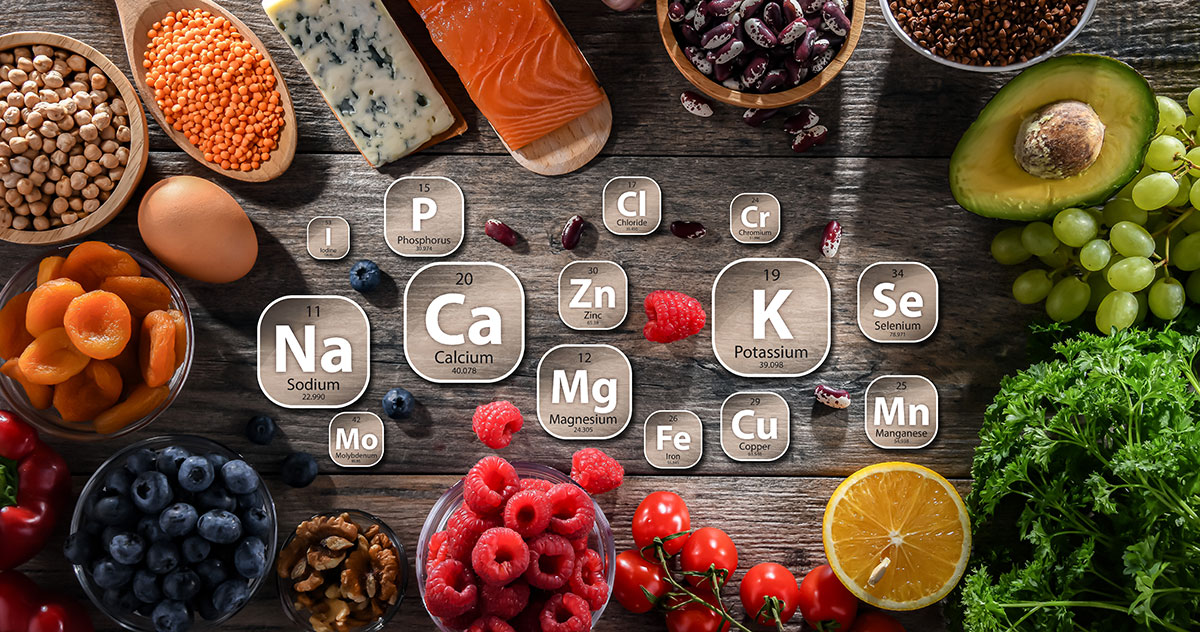
When I first got into nutrition, I thought the answer was simple. Eat healthy food, work out, and everything else would take care of itself. Over time, I learned that there is a lot more going on behind the scenes. Vitamins and minerals are small nutrients, but they play a huge role in how the body functions every day. From energy production to immune support to muscle recovery, these nutrients are constantly working in the background. Understanding the science behind them has helped me make better choices for myself and for the people I work with.
Why Vitamins and Minerals Matter
Vitamins and minerals are essential nutrients, which means your body cannot produce most of them on its own. You have to get them from food or supplements. Even though you only need small amounts, they affect almost every system in your body. They help turn food into energy, support brain function, build strong bones, and keep your immune system working properly.
I like to think of them as support staff in the body. They are not always visible, but without them, everything slows down or stops working the way it should. When people feel tired, run down, or stuck in their fitness progress, it is often not just about calories or protein. It can also be about missing key micronutrients.
Water-Soluble vs Fat-Soluble Vitamins
One of the first things to understand is that vitamins are split into two categories: water-soluble and fat-soluble.
Water-soluble vitamins include vitamin C and the B-complex vitamins. These do not stay in your body for long, so you need to consume them regularly. They are important for energy, metabolism, and immune support. If you are stressed, active, or not eating well, these can get used up quickly.
Fat-soluble vitamins include vitamins A, D, E, and K. These are stored in your body’s fat tissues and liver. Because of this, you do not need them as often, but balance is important. Too little leads to deficiency, but too much from supplements can sometimes cause issues. This is why food-based nutrition is always the foundation.
The Most Important Vitamins for Everyday Health
There are many vitamins, but a few stand out as especially important for most people.
Vitamin D is one of the most talked about for good reason. It supports bone health, immune function, and even mood regulation. Many people do not get enough sunlight, especially in colder climates, which makes vitamin D deficiency very common. I pay close attention to this one because it affects energy and recovery more than people realize.
Vitamin C is another key nutrient. It helps support the immune system and also plays a role in collagen production, which is important for skin, joints, and recovery after training. I like getting this from fruits like oranges, berries, and kiwi instead of relying only on supplements.
The B vitamins are essential for energy metabolism. They help your body convert food into fuel. If you feel sluggish or mentally foggy, B vitamins may be part of the picture. Whole grains, eggs, meat, and leafy greens are all good sources.
Key Minerals the Body Needs
Minerals are just as important as vitamins, even though they often get less attention.
Magnesium is one of my personal favorites because it plays a role in muscle function, sleep, and recovery. Many people do not get enough magnesium from food alone. It is found in nuts, seeds, spinach, and whole grains. When training hard, magnesium becomes even more important for muscle relaxation and recovery.
Calcium is well known for bone health, but it also supports muscle contractions and nerve function. Dairy products, leafy greens, and fortified foods are common sources.
Potassium helps regulate fluid balance and muscle contractions. It works closely with sodium to keep hydration in check. Bananas, potatoes, and avocados are great sources.
Iron is essential for oxygen transport in the blood. Low iron levels can lead to fatigue and reduced performance, especially in active individuals. Red meat, beans, and spinach are common sources.
Food First, Supplements Second
One thing I always emphasize is that food should come first. Whole foods provide vitamins and minerals in forms that the body recognizes and absorbs well. They also come with fiber, antioxidants, and other compounds that work together for better health.
Supplements can help fill gaps, but they should not replace a balanced diet. I see supplements as support tools, not the foundation. If someone is eating well but still has a deficiency, then supplements can be helpful. But if the diet is inconsistent, no supplement will fully fix that.
Signs You May Be Missing Key Nutrients
Your body often gives signals when something is off. Constant fatigue, poor recovery from workouts, brittle nails, low immunity, and brain fog can sometimes be linked to nutrient deficiencies. Of course, these symptoms can have many causes, but nutrition is always worth looking at first.
I always encourage people to pay attention to how they feel, not just what the scale says. Energy levels, sleep quality, and workout performance can tell you a lot about your nutritional status.
The Balance Approach
The science behind vitamins and minerals teaches us one important lesson. Balance matters more than extremes. You do not need massive doses of every supplement. You need consistent, well-rounded nutrition that supports your body over time.
When I work with clients, I focus on building habits that include a variety of foods. Different colors on your plate usually mean different nutrients. The more variety you have, the more likely you are to cover your vitamin and mineral needs naturally.
Final Thoughts
Vitamins and minerals may be small, but their impact on the body is huge. They support energy, recovery, immunity, and overall performance. Understanding how they work has changed the way I approach nutrition and fitness.
The goal is not perfection. It is awareness and consistency. Eat a variety of whole foods, stay hydrated, and use supplements only when needed to fill gaps. When you take care of your micronutrients, everything else in your health routine becomes easier.
For me, the biggest lesson has been this: strong nutrition is not just about protein and calories. It is about giving your body the small but essential tools it needs to function at its best every single day.