Living a healthy lifestyle has always been a big part of my life. From a young age, I loved learning about how what we eat impacts our energy, mood, and overall health. Over the years, I’ve seen people get overwhelmed thinking they need to completely change their diet to be healthy. I want to share some simple ways to boost your daily nutrition without completely overhauling what you eat. Small changes can make a big difference over time.
Start With Your Breakfast
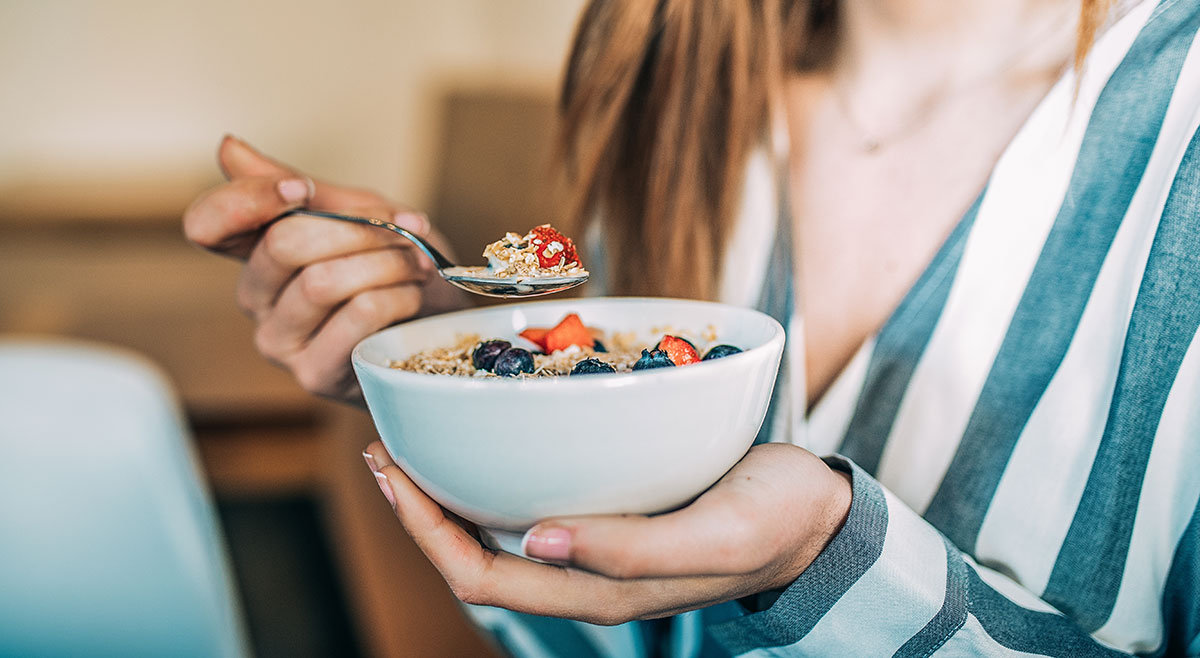
Breakfast is often called the most important meal of the day, and for good reason. It sets the tone for your energy and hunger levels throughout the day. You don’t have to make a huge change, but adding a few nutrient-dense ingredients can help. For example, if you normally eat cereal, consider adding a handful of nuts or seeds. They provide healthy fats and protein that help keep you full. You can also throw in some fresh fruit or berries for extra vitamins and antioxidants. If you drink a smoothie, try adding spinach or kale. You barely notice the taste, but it gives your body a boost of nutrients.
Make Small Swaps
One of my favorite ways to improve nutrition is by making small swaps in your meals. For instance, if you usually have white rice, try switching to brown rice, quinoa, or cauliflower rice a few times a week. These options add fiber and more vitamins without drastically changing the meal. Another simple swap is using Greek yogurt instead of sour cream or mayonnaise. Greek yogurt adds protein and probiotics while keeping your meal creamy and satisfying. These changes are simple, and they add up over time without making you feel like you are on a strict diet.
Include More Color
Fruits and vegetables are packed with vitamins, minerals, and antioxidants. You don’t need to double your intake overnight, but try to include more color on your plate. Red peppers, blueberries, spinach, carrots, and tomatoes are all excellent options. I like to challenge myself to include at least one colorful fruit or vegetable in every meal. Even adding a few extra vegetables to your lunch sandwich or dinner plate can increase your nutrient intake significantly. The more color you see, the better.
Don’t Forget Healthy Fats
Healthy fats are essential for your body. They support brain function, hormone production, and overall health. You might think fat is bad, but the right kinds of fat are actually beneficial. Avocados, olive oil, nuts, and fatty fish like salmon are great examples. You can drizzle olive oil over your salad, snack on almonds or walnuts, or add slices of avocado to your breakfast toast. These small additions make a big difference in your nutrition and help you feel satisfied after meals.
Hydration Matters
It is easy to overlook hydration, but water is a key part of nutrition. Drinking enough water helps your body digest food properly, supports your energy levels, and keeps your muscles performing well during exercise. I like to keep a water bottle with me throughout the day. You can also add slices of lemon, cucumber, or berries to your water for a refreshing twist. If you are exercising, it is especially important to drink plenty of water before, during, and after your workout. Staying hydrated is one of the easiest ways to improve overall health.
Mind Your Portions
Even small changes to portion sizes can help improve nutrition. You don’t need to cut out your favorite meals. Instead, think about balancing your plate. Fill half of your plate with vegetables, one quarter with lean protein, and one quarter with whole grains or starchy vegetables. Paying attention to portions helps prevent overeating and ensures you get the right balance of nutrients. It also allows you to enjoy the foods you love without feeling guilty.
Add Protein to Snacks
Many people overlook snacks as a chance to boost nutrition. Instead of chips or candy, try incorporating protein-rich snacks. Nuts, seeds, Greek yogurt, and boiled eggs are all easy options. Protein helps keep you full and supports muscle recovery, especially if you are exercising regularly. I also like to keep protein bars or shakes on hand for days when I am busy. They are convenient and help me stay on track with my nutrition goals.
Plan Ahead
Finally, planning ahead is one of the most effective ways to improve your nutrition without overhauling your diet. Take a few minutes each week to think about what you will eat and where you can make small improvements. Prepare snacks in advance, pre-chop vegetables, or batch-cook grains to make healthy meals more convenient. When healthy choices are easy to access, you are more likely to stick with them.
Small Changes Lead to Big Results
The key takeaway is that improving your nutrition does not have to be complicated. You do not need to completely change your diet to make a positive impact on your health. Simple swaps, adding color to your plate, staying hydrated, and including protein and healthy fats can all make a big difference over time. I have found that when I make small, consistent changes, my energy, strength, and overall wellness improve significantly.
Remember, healthy eating is a journey, not a race. Celebrate small victories and focus on adding nutritious foods rather than restricting yourself. By making these manageable changes, you can boost your daily nutrition, feel better in your body, and enjoy the foods you love without stress.